
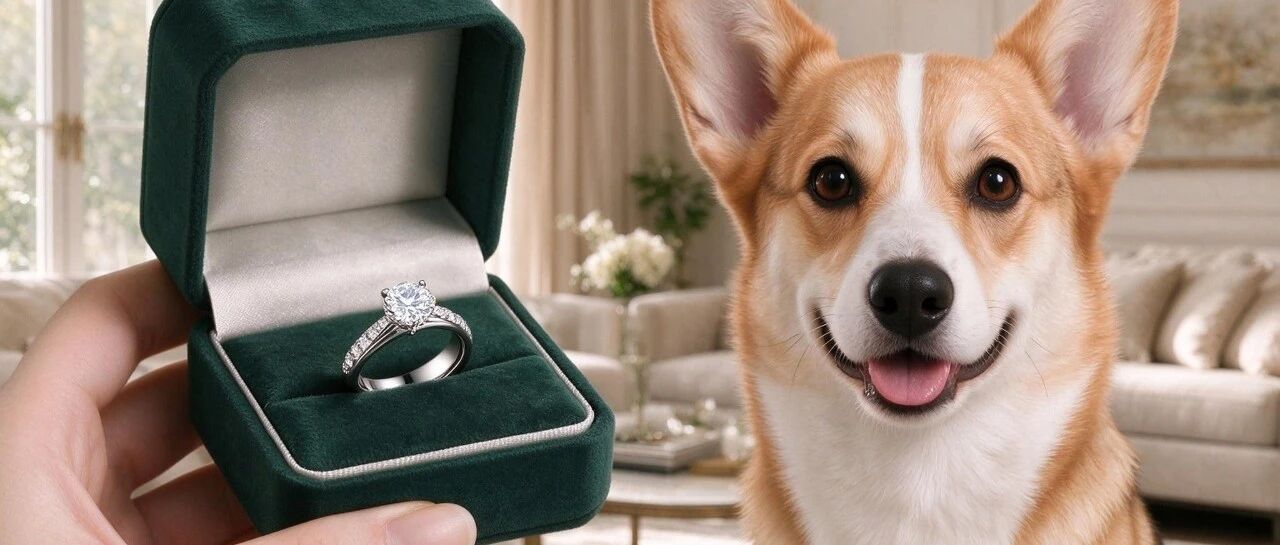
How can we hold on to the memories of a beloved pet after years together come to an end? In China, a growing number of pet owners are choosing an unusual answer: send the pet's fur or ashes to a specialized company, wait several months, and receive a "pet memorial diamond" — a lab-grown stone made, the sellers say, from carbon extracted from their beloved companion.
The trend recently made headlines after one case went viral. According to Chinese media reports, a woman in Jilin province paid 8,950 yuan (about US$1,250) for a ring made from her toy poodle's fur. She commissioned the 0.5-carat, princess-cut stone in 2020, as her dog entered its senior years, and received the finished 18-karat gold ring in February 2021. Her story sparked a wave of debate online — and a flood of interest in the business behind it.
The price of a keepsake
These diamonds don't come cheap. Depending on carat weight, color, and clarity, prices range from several thousand to tens of thousands of yuan. Some overseas brands charge more than 100,000 yuan for a one-carat stone, and one Chinese maker's published price list runs from 32,655 yuan for a 0.25-carat stone to 150,618 yuan for one carat — with certification and setting fees charged separately. Reports put the number of companies offering the service in China at more than 20, with typical finished one-carat pieces costing 10,000 to 30,000 yuan.
Meanwhile, the price of ordinary lab-grown diamonds has continued to fall, with some now costing around 1,000 yuan. That gap has led some consumers to question whether pet memorial diamonds are simply an emotional marketing gimmick — an expensive product playing on people's attachment to their pets. Critics in China have gone further, calling the stones an "IQ tax," local slang for an overpriced gimmick.
Can anyone prove the carbon came from your pet?
This is where the industry runs into its biggest problem. Jewelry professionals point out that standard gemstone testing can identify a diamond's type, but cannot verify whether its carbon came from a specific pet, let alone determine what proportion of the diamond comes from the pet's remains. A certificate can confirm that a stone is a lab-grown diamond — it cannot prove whose carbon went into it.
That makes it difficult for customers to verify what they actually bought, and leaves room for unscrupulous sellers to pass off ordinary lab-grown diamonds as memorial stones.
How the diamonds are made
According to reports, the process begins with treating the pet's fur and converting it into carbon. The carbon is then placed under high temperature and pressure to grow into a diamond, which is eventually cut and polished.
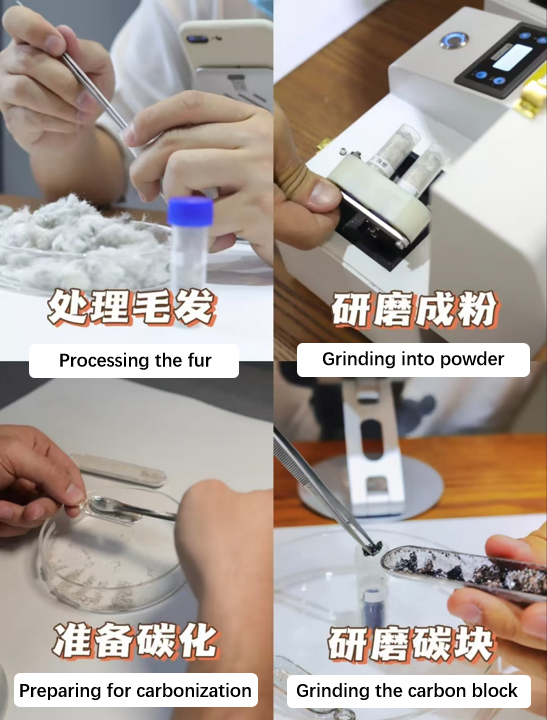
Image source: Xiaohongshu account "爱小动物的橘子"
However, some industry insiders have revealed that pet-derived carbon is often mixed with industrial graphite at a ratio of around 1:20 during the high-pressure, high-temperature process. The final proportion of pet-derived carbon is difficult to control, and producing diamonds entirely from pet carbon also makes it challenging to ensure consistent yield and quality.
In response to these concerns, sellers say each order is processed separately through a dedicated production workflow. Staff track the process and keep video records to ensure each sample is handled individually. They also argue that these custom orders are relatively small in volume, making large-scale production and cost reduction impossible. The high price, they say, reflects not only the diamond itself but also the monitoring, quality control, and personalized services involved.
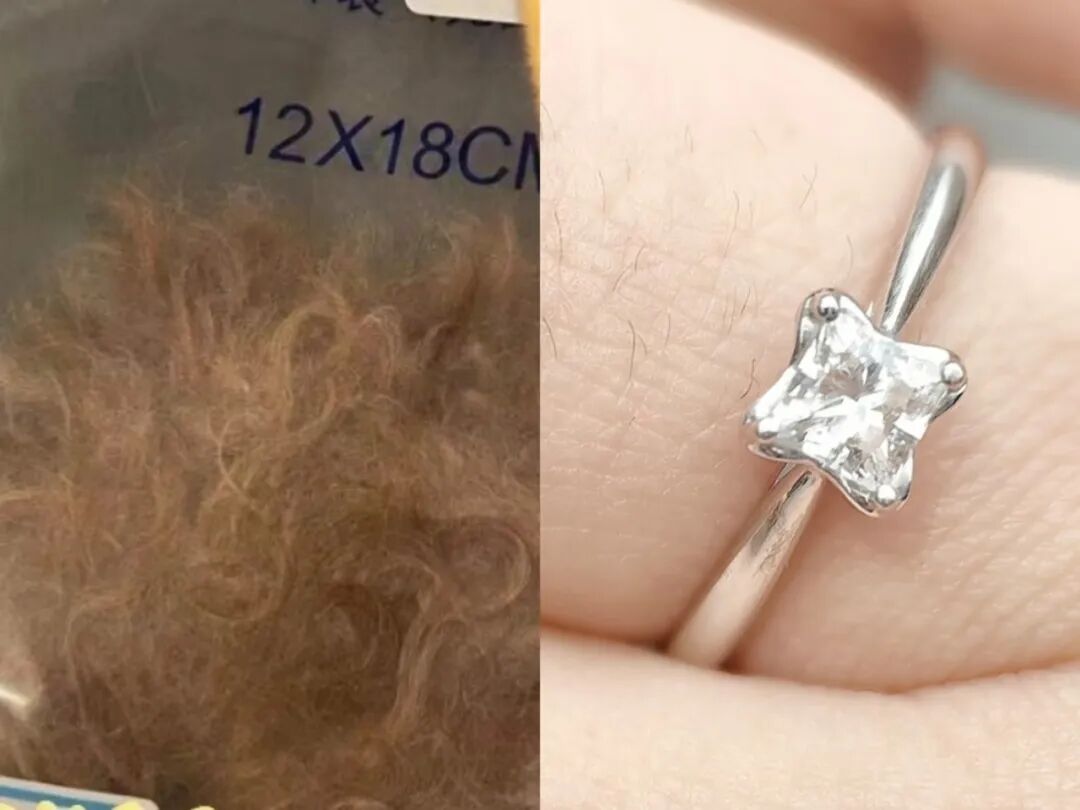
Left: The pet's fur. Right: The finished pet memorial ring. Image source: Xiaohongshu account "苹果里藏着星星"
Worth it — or not?
Pet memorial diamonds carry a deeply personal meaning for owners who want to preserve the bond they shared with their companions. There is nothing inherently wrong with the business itself, and it may be unfair to dismiss every such product as a rip-off.
Still, consumers should approach the premium with a clear understanding of what they are paying for. The stone is real, and the sentiment is real — but the one thing no laboratory can confirm is the part that matters most: that the carbon in the diamond truly came from your pet. And when it comes to remembering a beloved companion, a diamond is far from the only way to keep those memories alive.
No comments:
Post a Comment