

Twenty-two students at a vocational college in Guangzhou ordered performance costumes online for a singing competition. They wore the costumes for the event — and then sent them all back, asking for refunds under China's seven-day no-reason return policy.

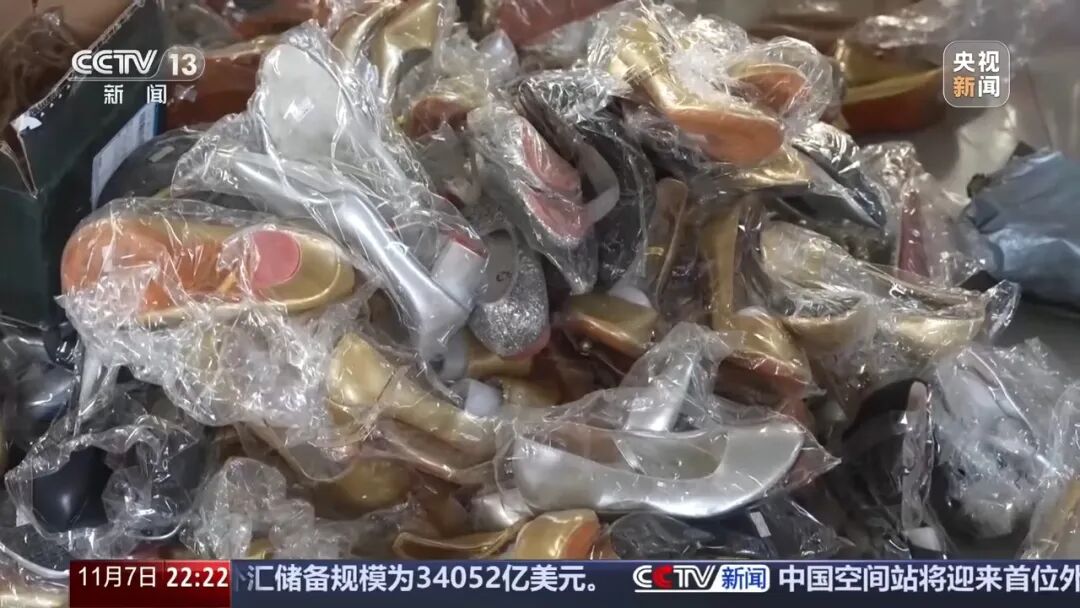
When the clothes arrived back at the shop, the seller said the collars were covered in sweat and makeup stains. The costumes could no longer be sold to anyone else, so the entire batch had to be thrown away.
After the story attracted attention online, the school stepped in. The students apologized and paid compensation to the seller.

Image from the report on the costume-return dispute.
Why Did the Return Become a Dispute?
China's seven-day return rule exists so that online shoppers — who cannot see or try on a product before buying it — can shop with more confidence. But the rule comes with a condition: the item being returned is still expected to be in good condition.
According to the report, clothing with obvious stains, damage, missing labels, or strong odors may no longer qualify as a normal unconditional return. A costume worn through a full performance, complete with sweat and stage makeup, is hard to describe as "as new."

For sellers of costumes and traditional clothing, return rates can be punishingly high. One seller told the media that some businesses see return rates of around 30%, while more than 20% of returned items show clear signs of use and cannot be resold.
For low-margin businesses, the loss can be significant. If a returned product can never be sold again, the seller may lose almost the full cost of making it.
The Bigger "Refund Without Returning" Problem
The dispute is part of a wider debate about 仅退款 ("refund-only"), a platform policy that can allow buyers to receive a refund without sending the product back at all.
The policy can make sense for low-value goods, damaged deliveries, or products whose return shipping would cost more than the item itself. But sellers interviewed for the report said it is increasingly being applied to a much wider range of products.
Some sellers said platforms may approve refunds automatically, leaving the merchant to submit evidence and appeal the decision afterward. In those cases, a business can lose both the product and the payment.
Why Are Platforms Under Pressure?
The report noted that sellers often need a complete chain of evidence — including unboxing videos, before-and-after comparisons, and return-shipping records — to challenge a refund.
Consumer-rights experts quoted in the report said the purpose of the seven-day rule was to help people shop with confidence, not to turn clothing into free short-term rentals. They also said a product that has been clearly used, stained, or damaged may not meet the legal standard for an unconditional return.
The case involving the 22 students ended with apologies and compensation. But it has raised a larger question for China's online shopping economy:
When a platform makes refunds easy for buyers, who should bear the cost when the product can no longer be sold?
Source: The Paper / CCTV News
No comments:
Post a Comment