
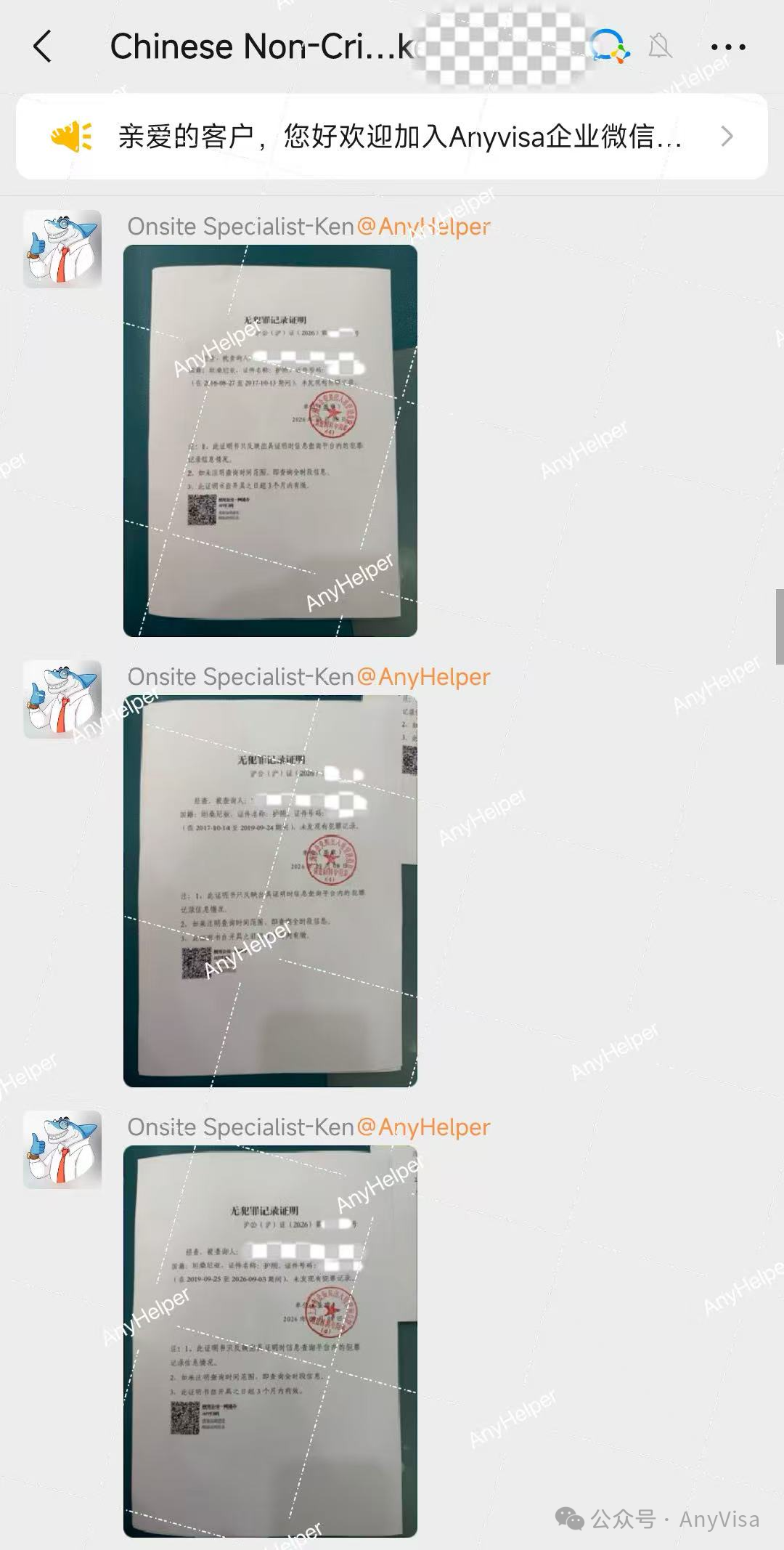
Moving abroad after years in China usually comes with one piece of paperwork that surprises people: proof that you had no criminal record during your time here. For one Tanzanian client preparing a permanent residency application outside China, that document — a Shanghai police clearance certificate — had to be obtained, notarized, and shipped overseas. The whole process took two weeks.
The background
The client, a Tanzanian national, was applying for permanent residency in another country. As part of that application, the client needed a Certificate of No Criminal Record — often called a police clearance certificate — covering the time spent living in Shanghai. The certificate also had to be notarized before it could be used abroad, and the finished documents had to reach the client by courier.
The challenge: three steps, in order
This was not a single form. It was three connected stages, and each one depended on the one before it:
- Obtain the certificate — the no-criminal-record certificate for the client's period of residence in Shanghai.
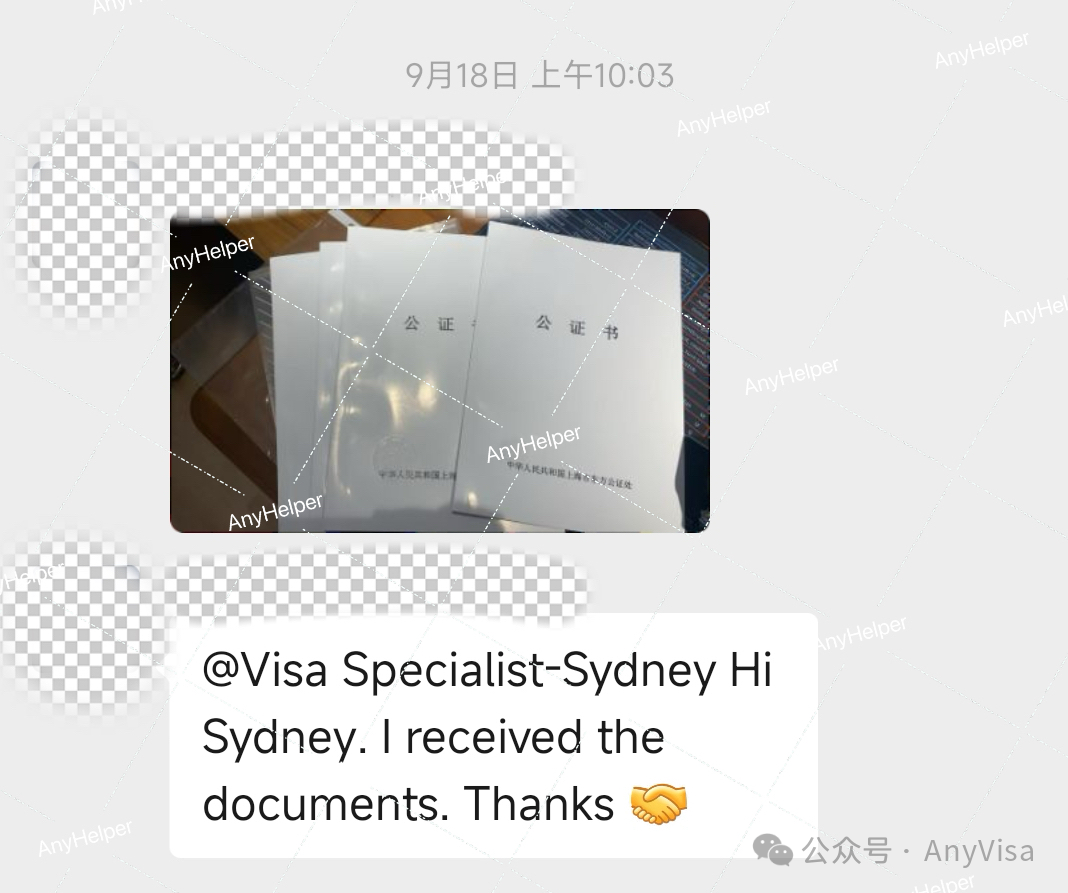
- Notarize it — the certificate on its own is not enough for use abroad; it has to be notarized, with translation where required, before foreign authorities will accept it.
- Courier it — the notarized documents then had to be shipped to the client overseas.
The client also wanted the full cost picture before committing — the service fee, the notarization fee, and the courier charge — rather than discovering extra charges along the way.
How it worked
The firm reviewed the client's requirements and ran the stages in sequence, starting with the application for the Shanghai certificate. Once the certificate was issued, the notarization was arranged and the finished documents were checked before dispatch. A clear breakdown of the service, notarization, and courier costs was given in advance, so the client knew the total before confirming.
The result
The certificate was issued on 8 September 2026. The notarized documents were completed and dispatched, and the client confirmed receipt on 18 September — ten days after the certificate was issued, and inside the two-week window.
What to know if you need one yourself
- Apply where you lived. Certificates are issued locally, in the city where you resided — in this case, Shanghai. In general, you need to have lived in the city for at least six months on a valid residence permit.
- Watch the validity window. A Shanghai certificate is valid for three months from the date of issue — the note is printed on the certificate itself — so get the notarization done promptly.
- Plan for two to four weeks. End-to-end processing typically takes two to four weeks, including notarization and delivery. This case finished at the fast end of that range.
- Check what the receiving country wants. Some countries need notarization only; others also require an apostille or consular legalization. Confirm the requirement before you start, so the document is prepared in the right form the first time.
- Already abroad? If you have left China, a representative can often apply on your behalf with a power of attorney — the exact form and authentication required depend on the city and on where you are now.
For anyone who lived in China and now needs proof of a clean record for immigration, employment, or a visa application abroad, the process is straightforward — but the sequence matters, and the three-month validity clock starts ticking the day the certificate is issued.
No comments:
Post a Comment