
Moving from a family visa to a work permit in China sounds straightforward on paper. For one American client, the process came with an unexpected test: a surprise telephone spot check from the immigration authority, right in the middle of his residence-permit application. He passed it — and his work permit is now valid until September 20, 2027.
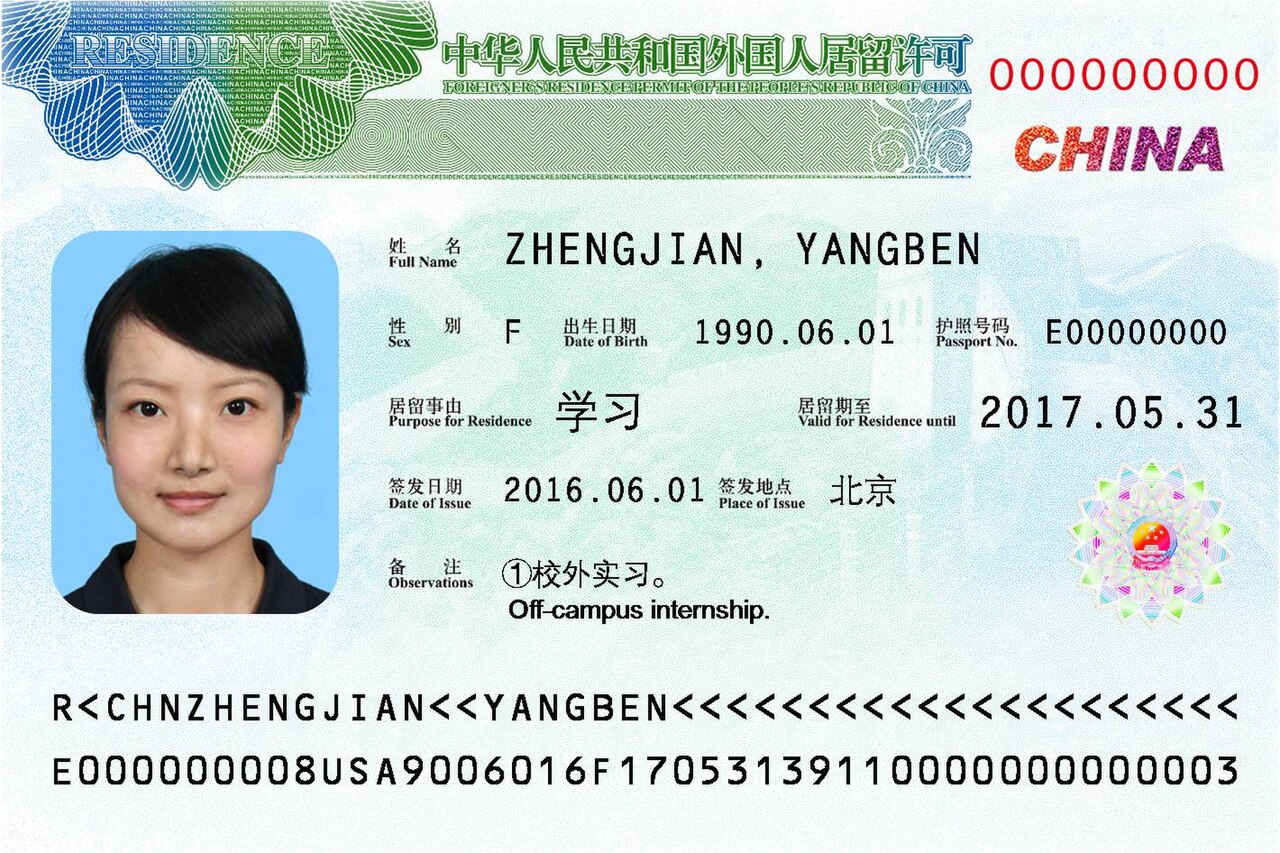
Client Background
Our client is a US citizen married to a Chinese national. He initially held a family-reunion Q visa but needed to move onto the work-authorization route for his employment in China.
That transition required both careful document preparation and a work-type residence-permit application.
The Challenge
The first hurdle was obtaining and processing the client's US Police Clearance Certificate, together with accurate translations of the supporting documents.
Then, during the residence-permit stage, the immigration authority made an unexpected telephone spot check about the client's actual employment and company details. The call came in mid-October, while the application was being processed. Without a clear and well-supported response, the case risked delay or further scrutiny.
How We Helped
We first assisted with the US Police Clearance Certificate and translated the relevant application materials so the documentation was ready for submission.
When the spot check occurred, we immediately organized supplementary company evidence to support the genuine employment relationship and guided the client through the verification questions.
The residence-permit application was formally accepted on October 13, 2026, with an expected collection date of October 22. The official receipt shows a fee of 400 RMB and collection by post.
The Result
After the unexpected verification, the client successfully received his passport and work permit. The resulting authorization is valid until September 20, 2027.
With the work-authorization stage completed, we then guided the client and employer on beginning the social-security registration process so the onboarding steps could continue smoothly.
AnyVisa Pro Tip
A phone verification is not just a formality. The applicant, employer, and submitted company materials should tell the same clear story about the role and the real employment relationship. If any part of that story is inconsistent, expect questions — and have the documents ready to back it up.
Switching from a family visa to a work permit, or facing an unexpected check in the middle of an application, is exactly when preparation matters most.
No comments:
Post a Comment