
Beijing's orange (second-highest) air pollution alert runs November 11–14 across Beijing, Tianjin, and Hebei. Vulnerable groups should stay indoors and wear N95 or KN95 masks outdoors.
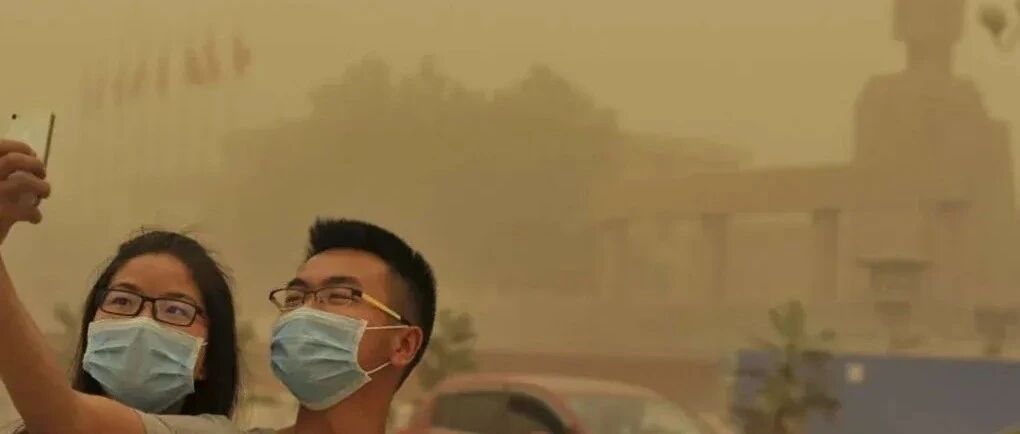
Beijing Issues Orange Alert as Heavy Air Pollution Threatens Northern China
Beijing, China | November 9, 2026
Beijing is preparing for a fresh wave of air pollution, with authorities announcing an orange alert starting at midnight on Wednesday, November 11. The warning comes as unfavorable weather conditions are expected to cause pollution to accumulate across Beijing, Tianjin, Hebei, and neighboring areas.
The orange alert is the second-highest warning in China's four-level air pollution alert system, indicating a serious pollution episode that requires additional precautions.
Air quality is expected to deteriorate from Wednesday through Saturday, November 14. While moderate pollution is forecast for much of Beijing, certain districts may experience heavier pollution during specific periods.
Why Is Air Pollution Getting Worse?
Weather conditions play a major role in the buildup of pollution. Weak winds, limited atmospheric circulation, and stagnant air can prevent pollutants from dispersing, allowing harmful particles to remain concentrated near ground level.
Among the biggest concerns is PM2.5, fine particulate matter small enough to penetrate deep into the lungs and potentially enter the bloodstream.
Prolonged exposure to high concentrations of these particles can increase the risk of respiratory problems and cardiovascular complications.
Who Should Take Extra Precautions?
Young children, elderly residents, pregnant women, and people with existing heart or lung conditions are particularly vulnerable to poor air quality.
Children may face greater exposure because they breathe more air relative to their body weight and often spend time playing outdoors.
People working outdoors should also limit prolonged exposure whenever possible.
What Residents Should Do
- ✅ Stay indoors whenever possible, particularly when pollution levels are high.
- ✅ Use an air purifier with a HEPA filter to reduce airborne particles inside homes and offices.
- ✅ Keep windows and doors closed during periods of heavy pollution.
- ✅ Wear a well-fitting N95 or KN95 mask when outdoor activities are unavoidable.
- ✅ Monitor local air quality readings regularly and adjust daily activities accordingly.
- ✅ Keep children indoors and replace outdoor sports with indoor activities.
- ✅ Seek medical attention if unusual breathing difficulties or other serious symptoms develop.
What Residents Should Avoid
- ❌ Avoid outdoor running, cycling, football, and other strenuous exercise.
- ❌ Avoid unnecessary outdoor travel during periods of heavy pollution.
- ❌ Do not smoke indoors or expose others to secondhand smoke.
- ❌ Avoid burning incense, candles, or other materials that produce indoor smoke.
- ❌ Do not rely on ordinary cloth masks for effective protection against fine particulate pollution.
- ❌ Do not ignore persistent coughing, wheezing, chest discomfort, or breathing difficulties.
Schools and Outdoor Activities
Schools and educational institutions are expected to follow local emergency measures, including restrictions on outdoor physical activities.
During Beijing's orange-level pollution alerts, schools are required to suspend outdoor classes and activities to reduce children's exposure to polluted air.
Parents are encouraged to follow official school announcements and consider indoor alternatives for sports and recreational activities.
How Long Will the Pollution Last?
The current forecast indicates that unfavorable air quality could continue through Saturday, November 14.
However, the actual duration and severity of pollution will depend on changing weather patterns. Stronger winds or improved atmospheric conditions could help disperse pollutants, while stagnant conditions may prolong the episode.
Public Health Reminder
Air pollution remains a significant environmental and public health concern, particularly in densely populated urban areas.
Residents should not rely solely on visibility to judge air quality, as harmful fine particles can remain present even when the sky appears relatively clear.
Taking preventive measures, reducing outdoor exposure, and monitoring official air quality information can help protect individuals and families during the coming days.
Residents across Beijing, Tianjin, Hebei, and surrounding areas are advised to remain cautious and follow local environmental and public health announcements until conditions improve.
No comments:
Post a Comment