
One quirky phrase — “treetree de,” a playful Chinese-style pronunciation of “crispy” (脆脆的, cuìcuì de) — has turned a little-known fried chicken shop in Xuchang, Henan Province, into an unexpected internet sensation.
It started with a delivery rider in mid-November. While making a delivery, he was invited by the customer to taste a piece of fried chicken the customer had ordered. He was not impressed. So he paid out of his own pocket, went to his favorite fried chicken shop in Xuchang, bought a fresh portion, and delivered it to the customer instead.
His cheerful description of the chicken as “treetree de” quickly caught on online, and the video became a viral hit.
The shop, My Family Western Kitchen · Pizza (My Pizza 我家西厨), mainly sells pizza, with fried chicken as a side offering. Before the video went viral, it sold only a dozen or two portions a day.
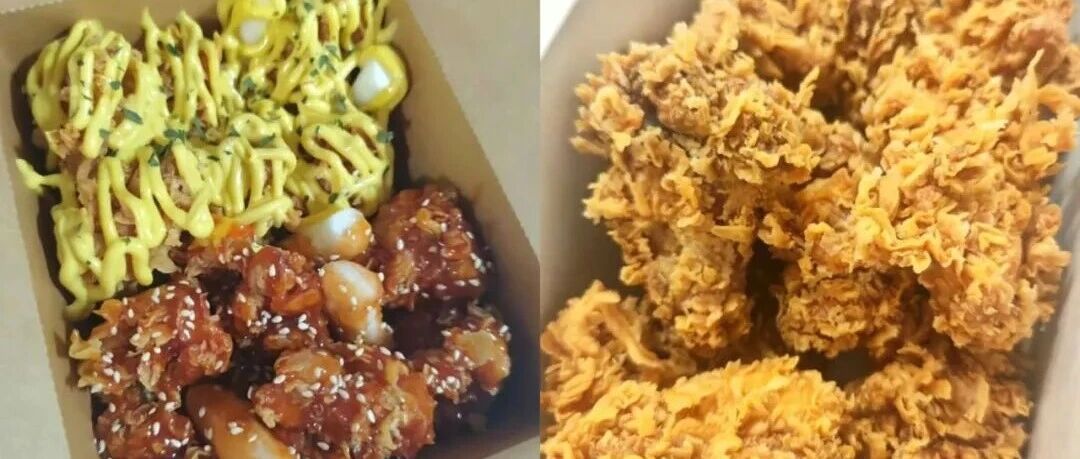
Photos of some of the fried chicken sold at the shop. Image source: Douyin account "treetree炸鸡&My pizza杨"
Then came the rush. The shop’s daily stock often sold out within three minutes of being listed, and long queues formed outside. The owners had to temporarily stop taking pizza orders to keep up with the fried chicken demand.
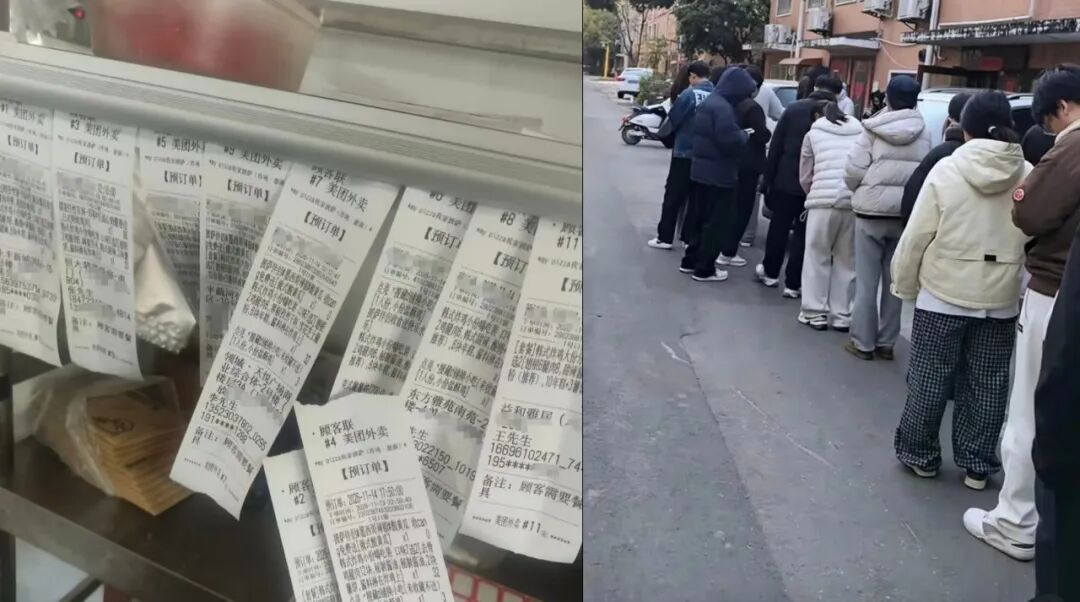
Delivery orders at the shop surged, while a long queue formed outside. Image source: Xiaohongshu account "tree tree炸鸡&My pizza杨"
Owner Yang said that during the peak of the craze, he and his wife spent seven or eight nights preparing ingredients until 1 or 2 a.m., only to get up again at 7 a.m. They were sleeping barely four hours a night. At one point the exhausted couple even closed the shop for a day to rest, posting a notice asking customers not to make a wasted trip.
“I’m not an influencer. I simply can’t handle this much traffic,” he said.
The rider, meanwhile, became an internet celebrity himself. His Douyin account, “老鹏友”, had about 412,000 followers on November 13 and reached 1.469 million by November 22 — more than a million new followers in about ten days. The account now shows 1.533 million followers. Some netizens suspected the story was a carefully staged marketing stunt. On November 21, the rider responded: “I don’t take restaurant advertising deals. The shop really has been busy lately, but I hope everyone can be sensible and not rush into buying.”
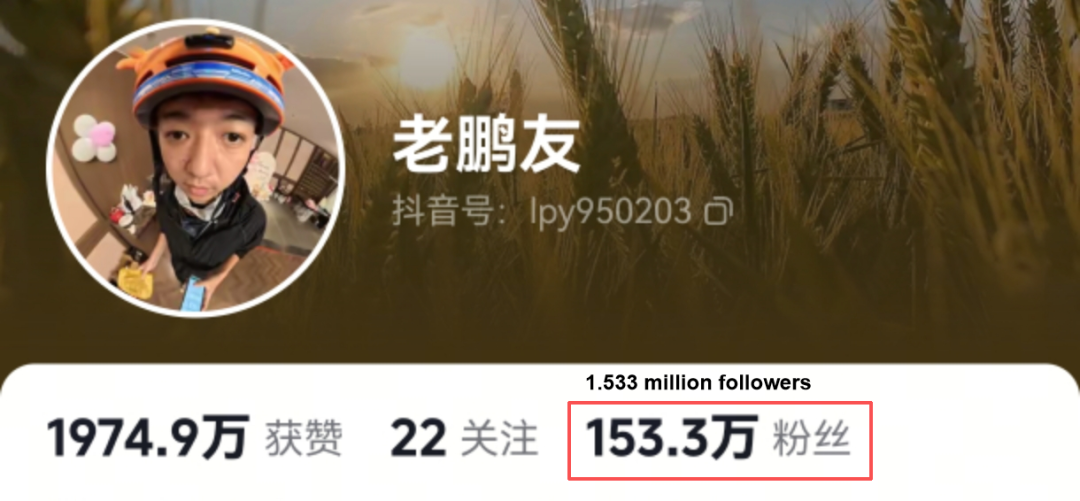
The delivery rider’s Douyin account now has 1.533 million followers. Image source: Douyin account "老鹏友"
So why can an ordinary video filmed by an ordinary person generate the kind of buzz that a million-yuan marketing campaign might struggle to achieve?
First, it feels genuinely human. The rider went out of his way to find a tastier meal for a customer. His simple act of kindness and honest love of food struck a chord with viewers — and made them curious about the “crispy” chicken themselves.
Second, the rider’s job lends credibility. Delivery riders visit countless restaurants every day and have firsthand experience with local takeaway food, so people are more likely to trust them.
Third, the owners’ response to fame won them even more goodwill. Rather than rushing to expand and cash in on the sudden popularity, Yang and his wife urged people not to travel long distances just for the chicken. They wanted steady, long-term business, not a fleeting viral moment.
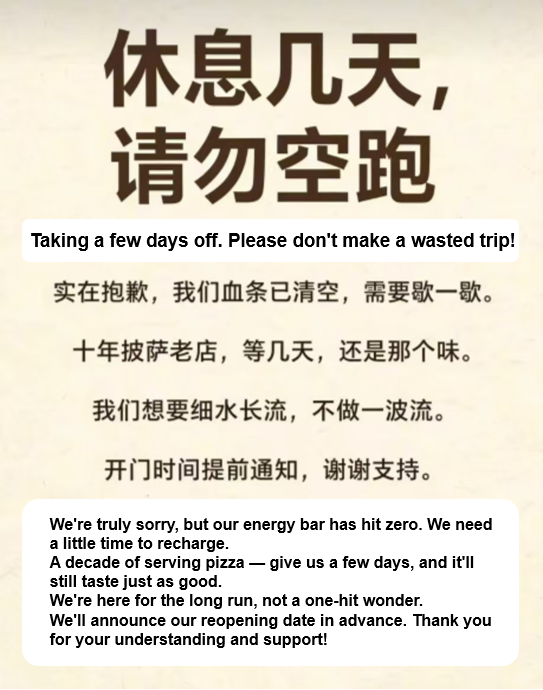
The shop owner is exhausted from the overwhelming number of orders and needs a break. Image source: Douyin account "treetree炸鸡&My pizza杨"
The story also touches on a wider concern around food delivery. Many consumers worry about pre-made meals, unhygienic kitchens, disappointing food, or inflated online ratings.
That is why another challenge video recently went viral: a creator gave a delivery rider 100 yuan and asked him to find a clean, reliable restaurant. The rider took the creator on a real-life food tour, choosing places with tidy kitchens and clean surroundings.
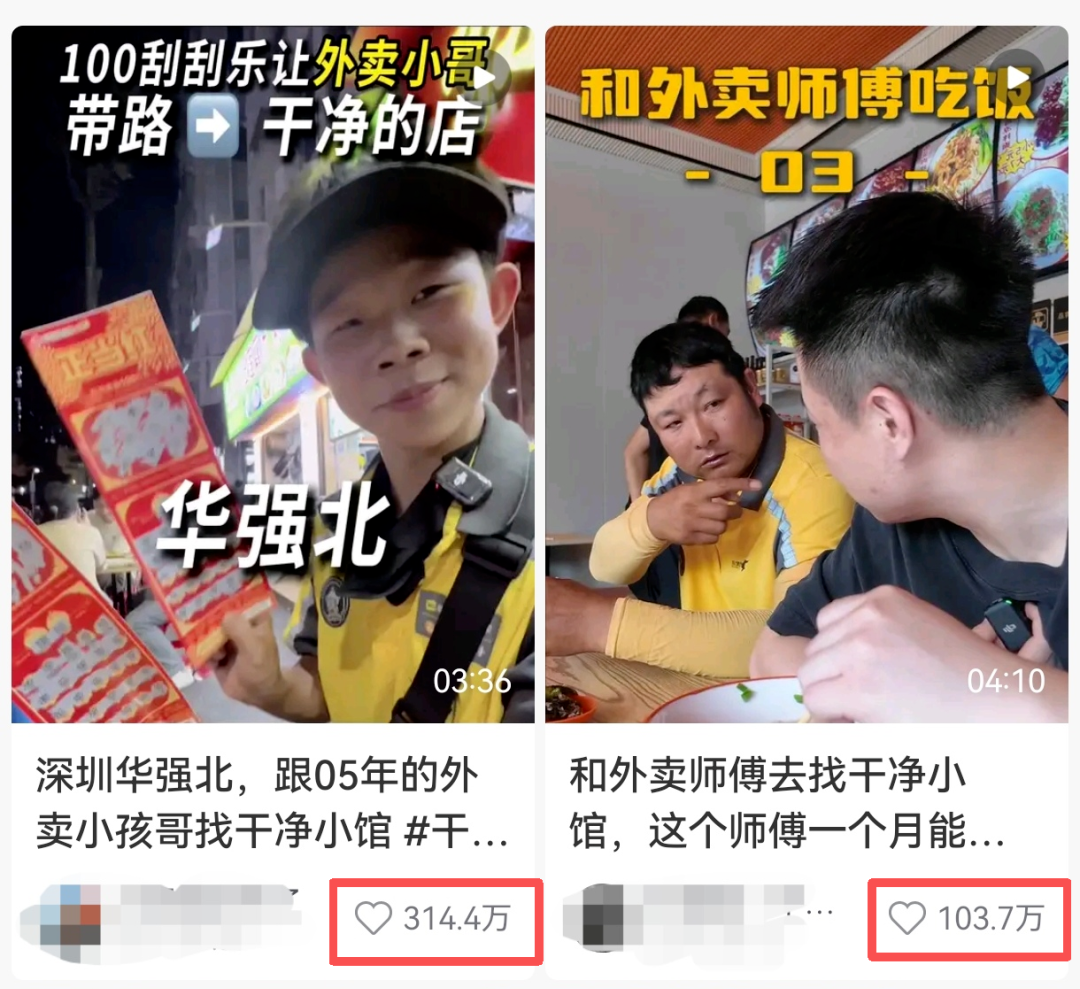
Videos of people asking delivery riders to help find clean restaurants have been attracting significant online attention. Image source: screenshot from Douyin.
Riders spend their days on the front lines and often know the real conditions of local restaurants. Their firsthand recommendations can help ease consumers’ concerns about food hygiene and whether a restaurant’s reputation is genuine.
Whether it is replacing a customer’s fried chicken or helping someone find a clean restaurant, these stories point to the same lesson: in an age of polished, carefully planned advertising, authentic experiences shared by ordinary people can often win consumers’ trust more effectively than any marketing campaign.
No comments:
Post a Comment