
An Australian woman collapsed two hours into China Eastern flight MU562 from Sydney to Shanghai. Four doctors on board stabilized her with in-flight Wi-Fi consultation and ground specialists before landing at Pudong.


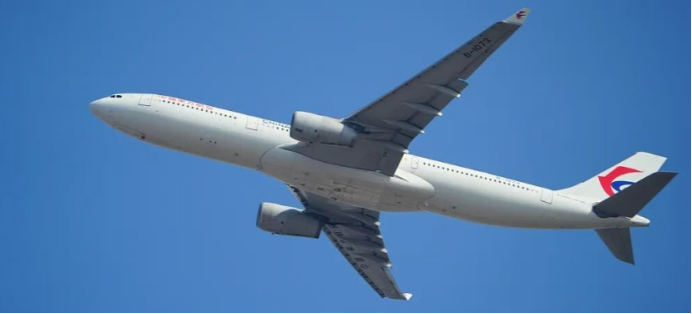
Four Doctors Respond to In-Flight Emergency
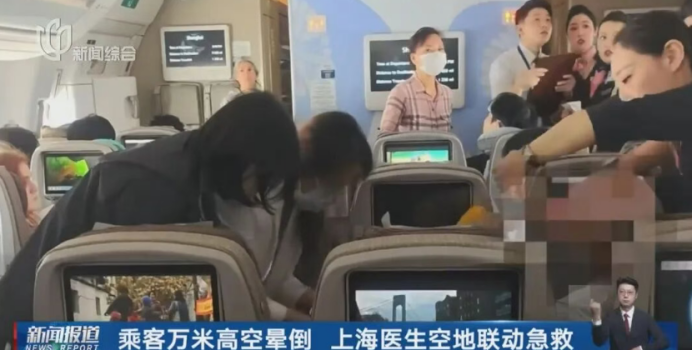
The incident occurred about two hours after takeoff, when the woman suddenly collapsed at an altitude of around 10,000 meters. The cabin crew immediately announced that medical professionals were needed on board.
Four doctors from the Shanghai Municipal Maternal and Child Health Center and the Shanghai First Maternity and Infant Hospital happened to be on the same flight, returning from an academic conference. They answered the call and rushed to help the passenger.
After examining her, the doctors found that her blood oxygen saturation had dropped sharply, a potentially dangerous sign. They adjusted her position, loosened her heavy clothing, and gave her oxygen as emergency treatment began.
In-Flight Wi-Fi Enables Remote Consultation
Suspecting a possible cardiovascular problem, the doctors sought help from the ground. Using the aircraft's Wi-Fi, they urgently contacted cardiology and critical care specialists at Zhongshan Hospital of Fudan University for a remote consultation.
The team reported her condition in real time and received guidance from the hospital specialists, coordinating their response between the air and the ground.
Through their joint efforts, the woman's heart rhythm and blood oxygen saturation had returned to normal by the time the aircraft arrived at Shanghai Pudong International Airport. She was conscious and out of immediate danger.

Doctors Offer Advice for Air Travelers
The doctors noted that the relatively confined cabin environment can cause discomfort — including chest tightness and a feeling of not getting enough air — especially for people sensitive to changes in their surroundings or those with underlying medical conditions.
Passengers, especially older adults and those with a history of illness, are advised to assess their health before flying and not to push beyond their limits. Extra caution may be warranted when traveling to high-altitude destinations or places with very different climates.
The doctors also recommend that older passengers and those with chronic conditions carry a card with essential medical information, including medical history and regularly used medications.
Such information can help medical professionals assess a passenger's condition more accurately and respond more effectively if a medical emergency occurs during the journey.

No comments:
Post a Comment